Types of Olives used to produced Olive Oil
Spain is the world’s leading olive oil producer, with olive groves covering approximately 2.75 million hectares, according to the Spanish Ministry of Agriculture, Fisheries and Food. The vast majority of this cultivation — around 93% — is dedicated to the production of olive oil, while only 7% is used for table olives.
At the heart of this production lies Jaén, in Andalucia, widely recognised as the olive oil capital of the world. Jaén alone accounts for a significant proportion of Spain’s olive oil output and is internationally renowned for its vast sea of olive groves, mountain olive farming, and long-standing cooperative tradition.
Globally, there are more than 1,000 known olive varieties, each adapted to different climates and uses. Within the Iberian Peninsula alone, there are an estimated 200 to 250 olive varieties. However, only a small number play a significant role in commercial olive oil production, as a limited group of varieties accounts for most of the world’s olive oil output.
At an international level, the International Olive Council (IOC) recognises 139 principal olive varieties used for olive oil production worldwide. Among these, a handful of varieties — such as Picual, Arbequina, Hojiblanca, and Cornicabra — dominate the market due to their oil yield, stability, and distinctive sensory qualities.
Understanding Picual, Hojiblanca and Arbequina: Olive Varieties Explained
Dive into the unique characteristics of our selected olive varieties, understanding how each contributes distinct flavours and qualities to our exceptional olive oils.
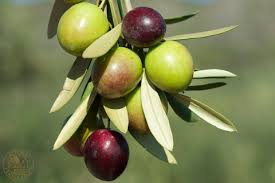
Picual Olive
Picual is the most widely cultivated olive variety in the world and the defining olive of Jaén, Andalusia, the global heartland of olive oil production.
- Flavour profile: Intense fruity, balanced bitter and spicy with notes of grass and green almonds.
- Characteristics: Very high polyphenol content, exceptional oxidative stability
- Best uses: Dressings, salads, grilled vegetables, meats, and finishing dishes
Picual olive oil is particularly valued for its robustness, stability, and nutritional profile.
You can learn more about our Picual Extra Virgin Olive Oil and its origin here
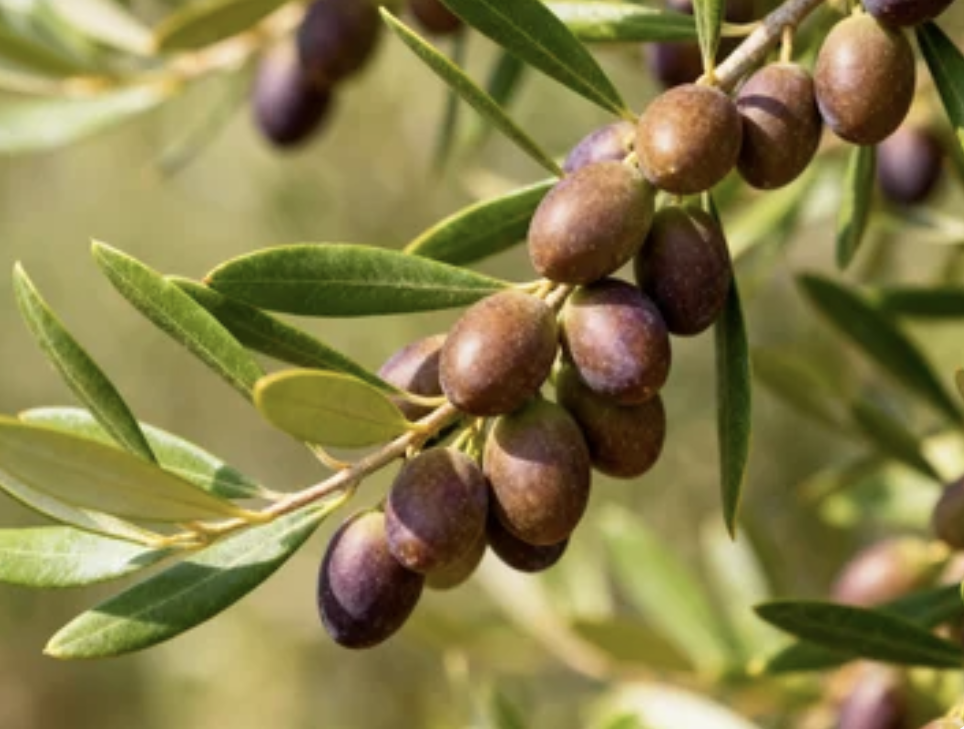
Arbequina Olive
Arbequina is a small olive variety originally from Catalonia and now grown widely across Spain and beyond.
- Flavour profile: Smooth, mild, and slightly sweet, with notes of apple, almond, and ripe fruit
- Characteristics: Low bitterness and pungency
- Best uses: Dressings, baking, sauces, and delicate dishes
Arbequina oils are often chosen for subtle recipes where a softer olive oil profile is preferred.
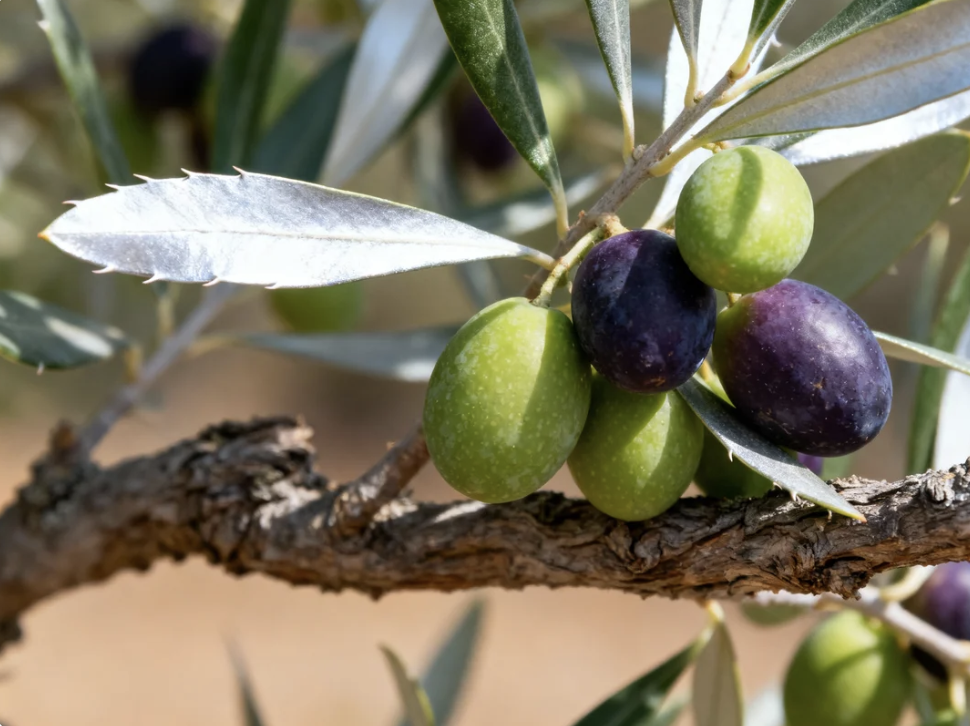
Hojiblanca
Hojiblanca is mainly grown in southern Spain, particularly in Córdoba, Málaga, and Seville.
Best uses: Fish, vegetables, pasta, and both raw and cooked applications
Flavour profile: Balanced and aromatic, with grassy notes and gentle bitterness
Characteristics: Medium intensity, versatile
Olive Variety Comparison Table
Delve into a selection of images that capture the unique characteristics and flavor profiles of each olive type we feature.
| Olive Variety | Flavour Intensity | Bitterness & Pungency | Polyphenol Content | Typical Use |
| Picual | High | High | Very High | Raw use, cooking, finishing robust dishes |
| Arbequina | Low | Low | Low – Medium | Delicate dishes, baking |
| Hojiblanca | Medium | Medium | Medium | Versatile cooking |
Why Xauen Olive Oil Focuses Exclusively on Picual
Why Picual?
At Xauen Olive Oil, based in Bream in the Forest of Dean, Gloucestershire, we specialise exclusively in Picual Extra Virgin Olive Oil from Jaén, Andalucia. We work directly with local farmers and cooperatives, ensuring full traceability from grove to bottle.
By focusing on a single olive variety and origin, we can guarantee consistent quality, freshness, and authenticity.
To explore our Picual olive oil in more detail, including tasting notes and production methods, visit our dedicated Picual Extra Virgin Olive Oil page