Types of Olive Oil Explained
At Xauen Olive Oil, we specialise exclusively in Extra Virgin Olive Oil (EVOO) — the highest quality olive oil available. This focus reflects our commitment to quality, authenticity, and nutritional value.
Extra Virgin Olive Oil is obtained solely by mechanical processes, without chemical treatment, and must meet strict sensory and chemical standards. Its purity, flavour, and natural properties set it apart from all other olive oil categories. For this reason, we believe EVOO is the only olive oil that truly reflects the olive, its origin, and the care taken during harvesting and production.
Different types of Olive Oil
To help you understand the differences, below is a clear explanation of the four main commercial types of olive oil available on the market.
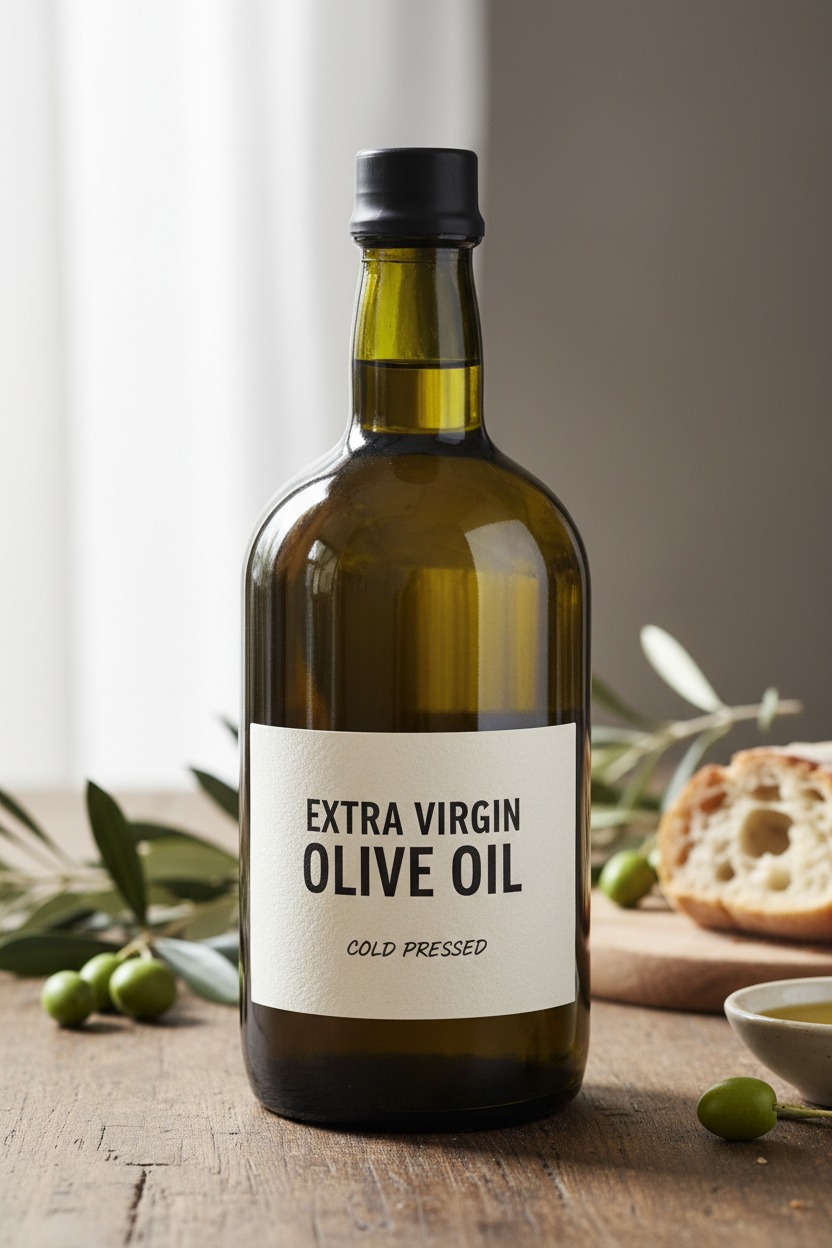
Extra Virgin Olive Oil (EVOO)
Quality and classification
Extra Virgin Olive Oil is the highest grade of olive oil. It is pure olive juice, extracted without heat or chemicals, and must pass strict chemical and sensory tests.
Production
Obtained exclusively through mechanical extraction methods, such as cold pressing or centrifugation.
Characteristics
- Acidity: ≤ 0.8%
- No flavour or odour defects
- Fruity aroma and flavour, which may be green or ripe depending on the olives
Uses
Ideal for raw use, including dressings, salads, toast, dipping, and finishing dishes, where flavour and quality are paramount.
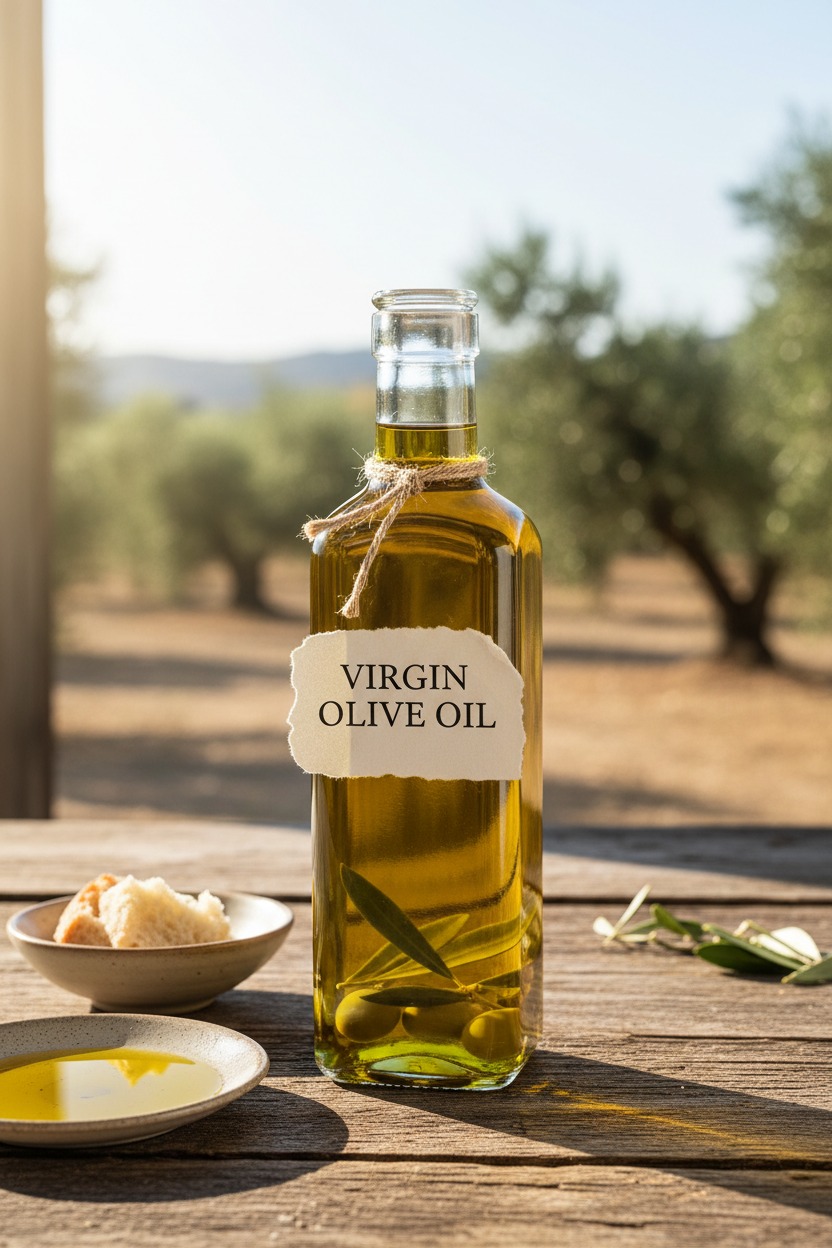
Virgin Olive Oil (VOO)
Quality and classification
Virgin Olive Oil is a good-quality olive oil but may present minor sensory defects that prevent it from qualifying as extra virgin.
Production
Produced using mechanical extraction methods only, without chemical refining.
Characteristics
- Acidity: ≤ 2%
- Suitable for human consumption
- Milder or less balanced flavour compared to EVOO
Uses
Well suited for cooking applications such as stews, slow cooking, and sautéing.
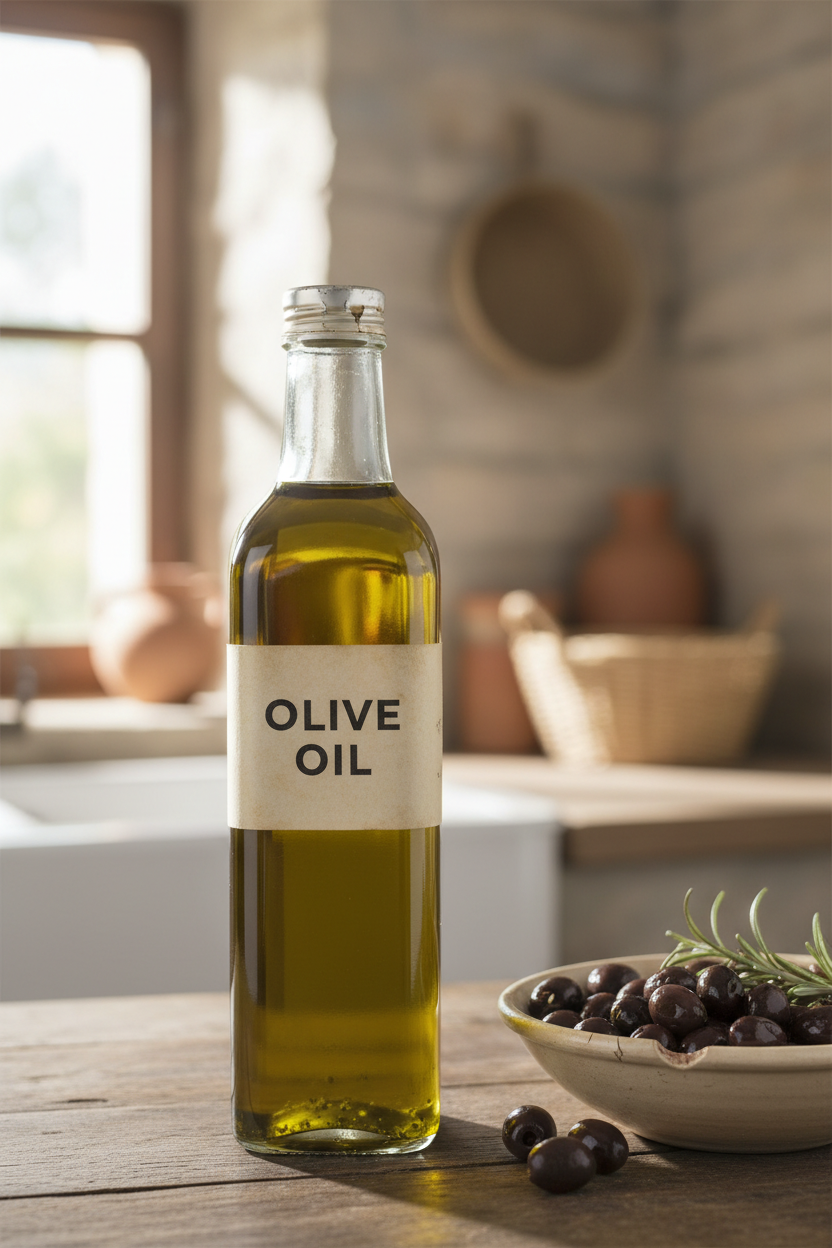
Olive Oil
Quality and classification
Often labelled simply as “Olive Oil”, this is a blend of refined olive oil and a small percentage of virgin or extra virgin olive oil.
Production
Refined olive oil undergoes chemical and physical processes to remove defects, colour, and flavour. Virgin or extra virgin olive oil is then added back to improve taste.
Characteristics
- Neutral flavour
- Lower nutritional and sensory value than virgin oils
Uses
Commonly used for general cooking and frying where olive flavour is not required.
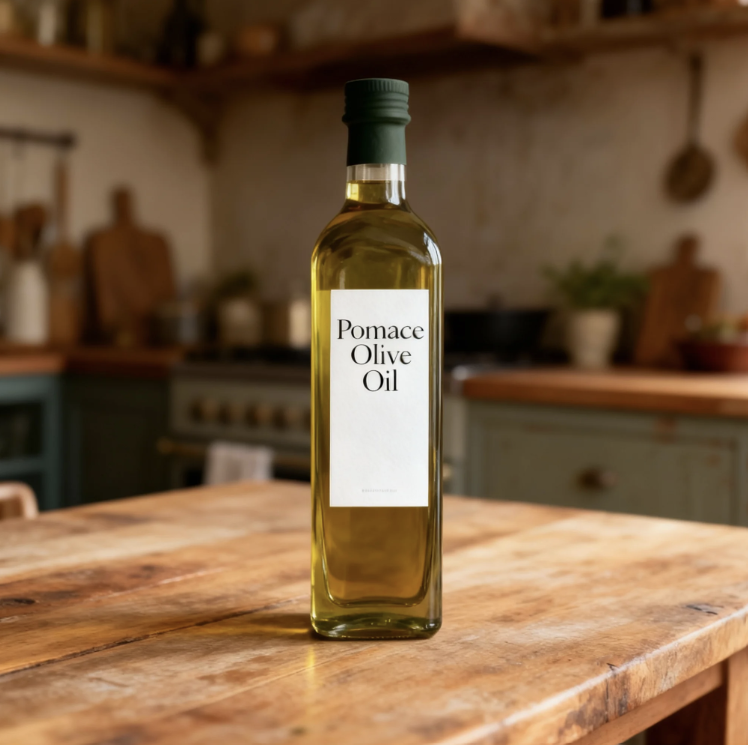
Pomace Olive Oil
Quality and classification
Olive Pomace Oil is considered an industrial-grade oil and is the lowest category of olive-derived oil available for consumption.
Production
Extracted from olive pomace — the solid residue left after olive pressing — using chemical solvents. It is later refined and blended with virgin olive oil.
Characteristics
- Highly processed
- Minimal olive flavour
- Lower nutritional value
Uses
Primarily used in large-scale catering, frying, and industrial food production.
Customer Insights and Feedback
Our clients’ testimonials speak volumes about our services and commitment. Get an insight into their experiences.

The purity and flavor of Xauen’s EVOO transformed my cooking, delivering unmatched quality every time.

Maria Gomez
Culinary Expert
Xauen Olive Oil’s professionalism and authentic extra virgin quality elevate every dish to a new standard.

David Lee
Food Blogger
I am thoroughly impressed with both the authenticity of Xauen’s EVOO and the seamless purchasing experience.

Sofia Martinez
Nutrition Specialist